Your cart is empty
Tax included and shipping calculated at checkout
Drawer menu
Tax included and shipping calculated at checkout

How do you go from sketching watch accessories to organising a watch exhibition in Dublin? In my September 2026 interview with WatchPro’s May Garland, I talked about the ideas, unexpected turns and people that led me to create Chrome Calibre and, later, Chronography.
The conversation explored three things that matter to me: designing watch accessories with personality, bringing collectors together and giving independent watchmaking a platform in Ireland. Here are my reflections on those themes, with selected quotes from the interview.
Based on my interview with May Garland for WatchPro, published on 21 September 2026 under the title “THE BIG INTERVIEW: Chronography fills a gap in Ireland’s watch event calendar”.
One of my earliest watch memories is of my grandfather’s Pulsar. The display appeared blank until he pressed a button and the time lit up in red. As a child, that felt like magic.
That fascination stayed with me. Later, I bought a titanium Pulsar solar watch with money from my first job. It is still ticking today. Watches became more than objects that told the time; they were a combination of design, engineering and personal history.

I studied industrial design at college. Although I didn’t initially pursue it as a career, I kept sketching and developing ideas in the background.
When I began considering a change of direction, I kept coming back to the watch industry. Rather than making a watch, I started working on an idea for a watch winder. I used CAD, cardboard models and basic electronics to explore what it could become.
“It sparked so much creativity, joy and interest that I thought, ‘Yeah, why the hell would I ever go back to a normal job?’”
Developing a prototype was exciting. Getting it manufactured was a different challenge. Production costs and the difficulty of securing enough backing meant I had to reconsider how to bring my ideas to market.
That experience led me towards another part of collecting: how we display the watches we already own.
I wanted a watch stand to do more than simply hold a watch. It should be something you enjoy seeing on your desk or bedside table, with enough flexibility to change as your collection grows.
Puzzle grew from that idea. Its metal watch stands and trays connect through puzzle-piece attachments, allowing collectors to arrange and rearrange their display rather than work around a fixed layout.
The aim was to bring some playfulness to an everyday accessory. You could keep part of the collection in your office, another beside your bed, and change the arrangement when it suited you.
“It was about trying to create something a bit more interesting – something that would look good on your desk and that you’d enjoy having there.”
You can explore the Puzzle watch stands and trays to see how that design approach became a collection.
Getting involved in watch clubs and meeting other collectors introduced me to very different ways of enjoying watches. Some people are fascinated by movements, others by dials, vintage pieces or a particular brand’s history.
Those conversations widened my own perspective. Trips to events in Geneva and Edinburgh, and my involvement with RedBar Dublin, showed me how much enthusiasm there was for meeting people and experiencing watches in person.
They also raised a recurring question: why did we so often have to travel abroad to do it?
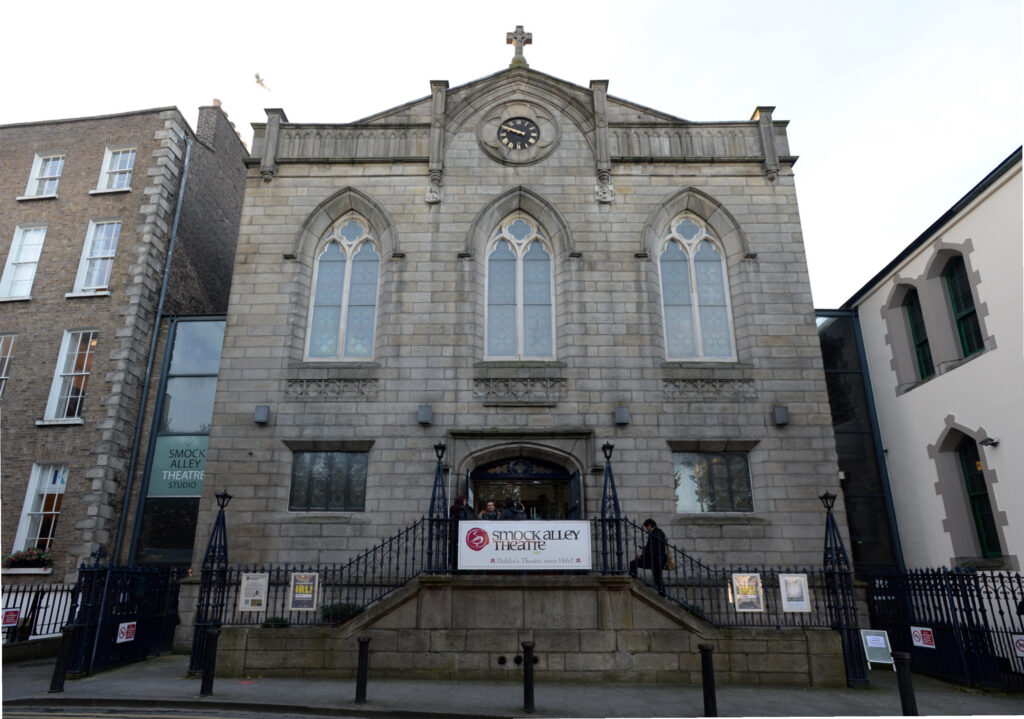
Chronography began with the idea of bringing independent and microbrand watchmaking closer to Ireland’s collectors. I wanted visitors to meet the people behind the watches and see pieces they might otherwise only encounter online.
Just as importantly, I wanted Irish watchmaking to be part of the conversation. The exhibition at Smock Alley Theatre was designed to combine brand displays with a separate space for talks, education and presentations.
In the interview, I discussed giving people such as John McGonigle a platform to talk about Irish watchmaking and the ambition to develop watchmaking education here. I also spoke about the support of brands and people across the community, including Nomadic and Scottish Watches.
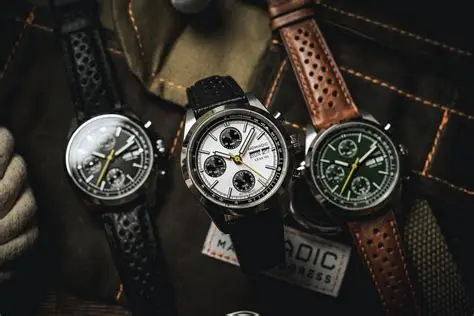
One theme running through the interview was my enthusiasm for brands willing to try something different. Interesting colours, unusual shapes, thoughtful features and a distinctive point of view all give collectors more to explore.
That doesn’t mean everyone has to collect the same way. Quite the opposite. The variety of independent watchmaking is part of what makes the community interesting, and it reflects the approach I want to bring to Chrome Calibre too.
This interview took place before the inaugural Chronography exhibition, when much of the conversation was about what I hoped to create. The next chapter was finding out what it actually took to deliver it.
The connection between Chrome Calibre and Chronography is simple: both grew from wanting to contribute something of my own to the watch world. One is about the objects we live with; the other is about the people who share the interest.
For information about the exhibition and future updates, visit Chronography. If you’re here for the design side of the story, take a look at Chrome Calibre’s watch stands and trays.


